Structural and Functional Properties of Hemp Fibers
From cell wall to soil: a multidisciplinary assessment of the mechanical, chemical, and ecological properties of hemp bast fibers.
KenevirMED, Biotechnology and Materials Research · ANATABDER · İzmir Ekonomi Üniversitesi, Fashion and Textile Design Department
In the face of microplastic pollution from petrochemical synthetic fibers, industrial hemp (Cannabis sativa L.) fibers stand out for their carbon-negative agricultural profile and superior physicomechanical properties. The low microfibril angle (MFA: 2° to 10°) in the S2 secondary cell wall layer gives high tensile strength, while the network of lignin and phenolic acids forms a natural antimicrobial and UV photoprotection (UPF > 50) barrier. The lumen structure at the center of the cell makes microclimate moisture buffering possible. This study analyzes the relationship between the cellular architecture of hemp fibers and their macroscopic performance.
1. Introduction and Bioeconomic Framework
The ecological damage caused by synthetic fibers derived from fossil fuels (polyester, nylon) has moved biologically based, circular materials to a strategic position. Industrial hemp bast fibers, historically limited to coarse rope and sailcloth, are now being reconsidered as a high-value raw material for advanced technical textiles, biomedical surfaces, and structural biocomposites.1
Bast fibers, located in the outer bark zone of the plant stem, combine carbon retention with an exceptional cellular durability. This study examines the multidimensional functional properties of hemp fiber, from the nanoscale cell wall structure to its interaction with soil at the end of its life cycle.
2. Cellular Morphology and Cell Wall Architecture
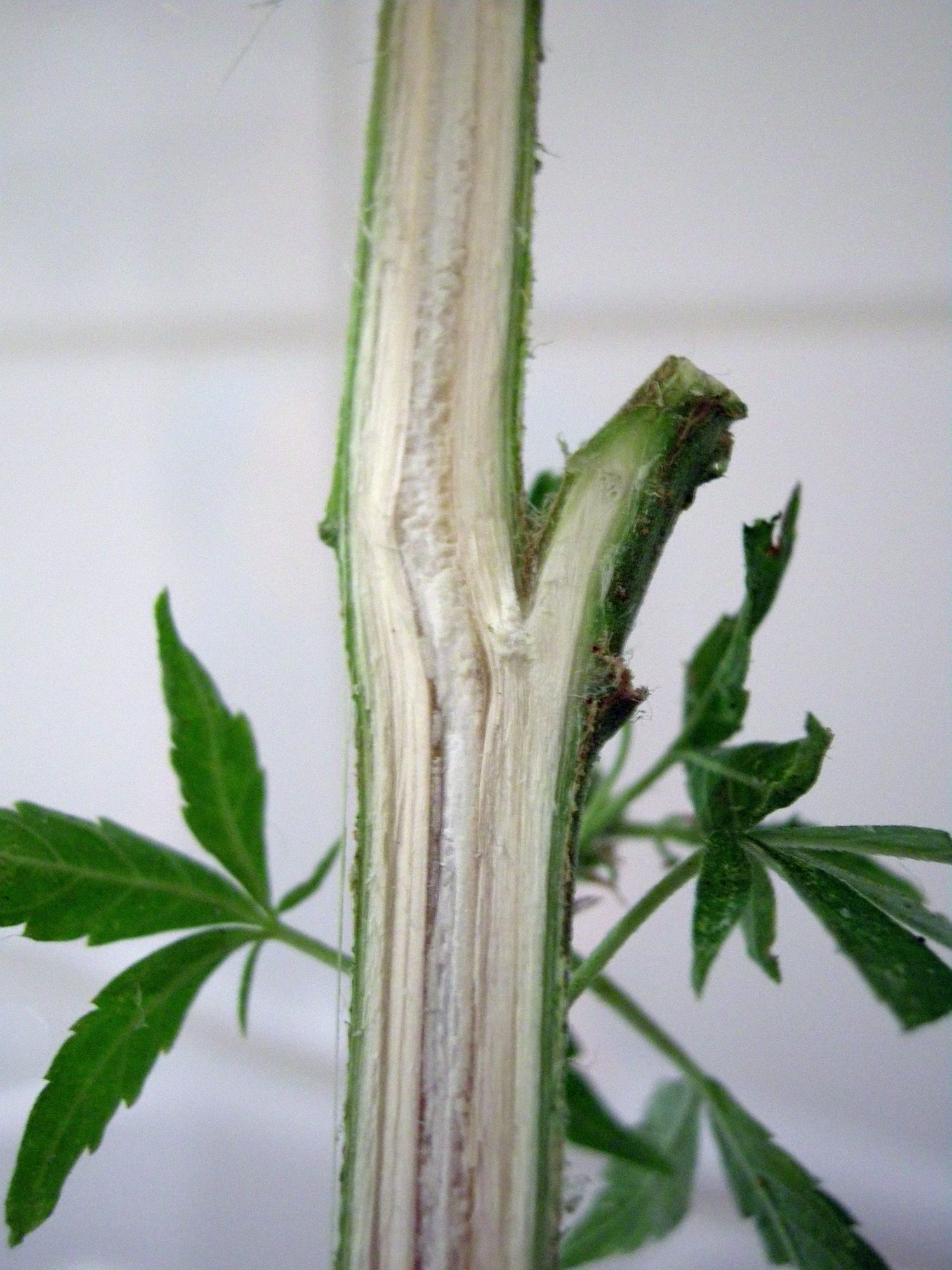
Hemp bast fibers are a natural composite made of semi-crystalline cellulose microfibrils embedded in an amorphous matrix of hemicellulose, pectin, and lignin.2 The fiber cell wall consists of a thin primary layer and a thick secondary layer (S1, S2, S3) that makes up most of the fiber's cross-sectional area.3
The S2 layer is the primary structure for axial load transfer. In this layer, cellulose chains are arranged at an angle almost parallel to the fiber's long axis. This orientation angle, defined as the microfibril angle (MFA), is only 2° to 10° in high-quality hemp fibers.4
3. Biomechanical Strength and Fiber Parameters
In hemp bast fibers, 64% to 78% of the weight is crystalline cellulose. The low microfibril angle (MFA) limits shear deformation under tensile stress. This architecture gives the fibers a tensile strength of 550 to 1110 MPa and a Young's modulus of 30 to 92 GPa.5 These values bring hemp to a level where it can compete directly with commercial glass fibers.6
| Fiber Type | Cellulose (%) | Hemicellulose (%) | Lignin (%) | Density (g/cm³) | Tensile Strength (MPa) | Young's Modulus (GPa) |
|---|---|---|---|---|---|---|
| Hemp (Bast) | 64-78 | 10-23 | 3-13 | 1.40-1.64 | 550-1110 | 30-92 |
| Flax (Bast) | 64-71 | 10-12 | 3-5 | 1.50-1.54 | 502-1000 | 52-80 |
| Cotton (Seed) | 83-90 | 3-7 | < 1 | 1.50-1.54 | 287-597 | 5-12 |
| Polyester (PET) | - | - | - | 1.38-1.40 | 400-600 | 2-4 |
A continuous channel called the "lumen" runs through the center of the fiber cell. While it lowers the density (1.40-1.64 g/cm³), it increases sound damping and capillary conduction.7 Environmental moisture acts as a plasticizer in the hemicellulose matrix. Under dynamic cyclic loading, the microfibrils orient along the fiber axis, which can raise fiber stiffness by up to 250% in the early stages of fatigue testing.8
4. Biocidal Action of Lignin and Phenolics
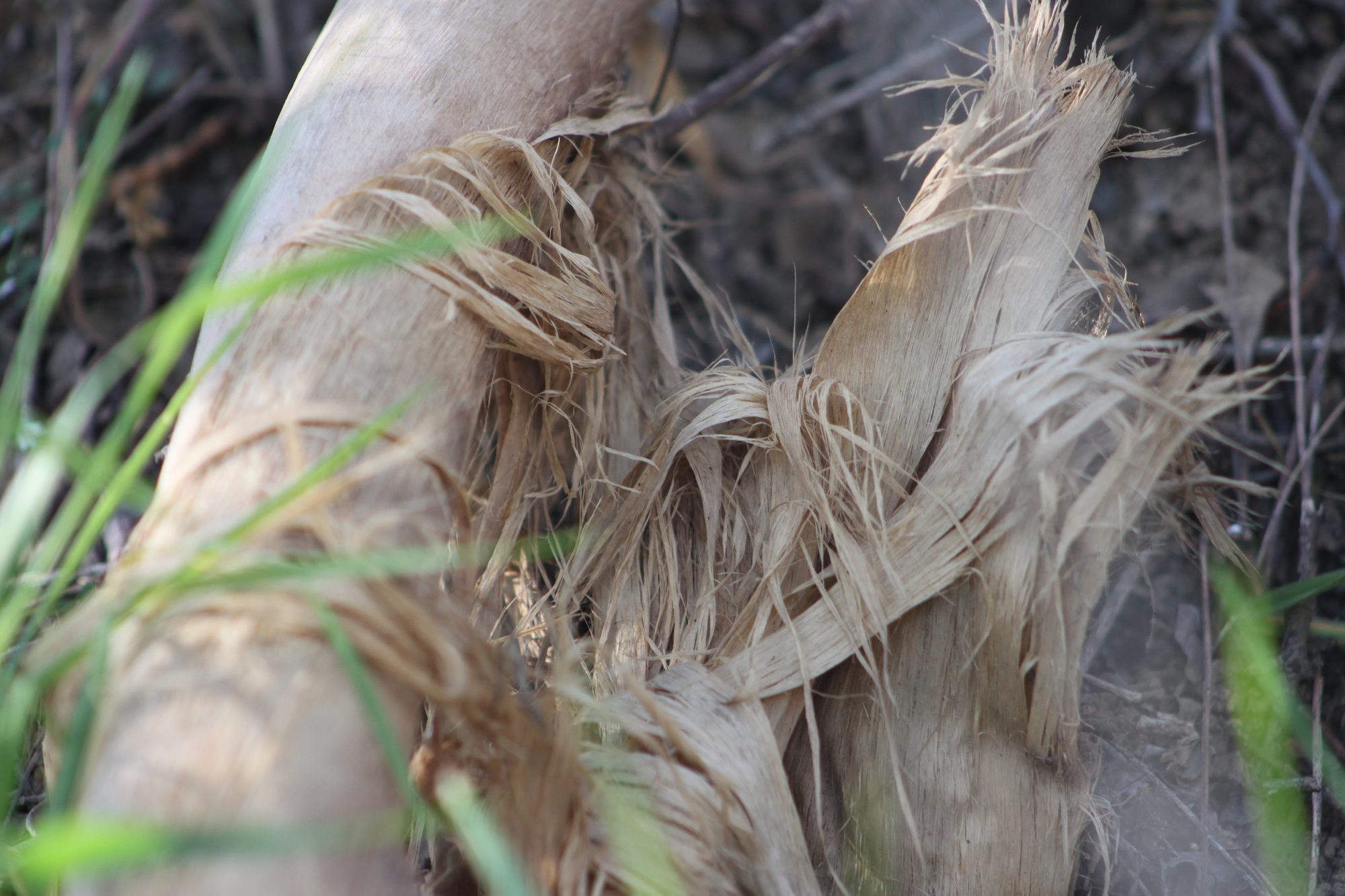
The natural antimicrobial and antifungal strength of hemp textiles comes from components other than cellulose. The lignin macromolecule forms through the coupling of p-coumaryl, coniferyl, and sinapyl alcohol monolignols.9 Low-molecular-weight phenolics bound to lignin, such as p-coumaric acid and ferulic acid, are the primary biocidal components.10
Amphipathic phenolic rings attach to the phospholipid bilayer of Staphylococcus aureus and Escherichia coli bacteria, collapsing the electrochemical potential of the membrane and leading to cell lysis.11 Residual cannabidiol (CBD) fractions that seep from the trichomes onto the fiber surface also prevent bacterial division. According to ISO 20743, enzymatically treated fabrics retain 95% to 99% bacterial inhibition even after 50 washes.12
5. Natural Photoprotection and UV Resistance
Traditional cotton and flax fabrics without chemical protectants offer inadequate UV protection, while raw hemp fabrics reach UPF > 50 on their own, the highest grade under international standards (AS/NZS 4399, ASTM D6603).13
This superiority comes from the chromophoric structure of lignin. Aromatic rings and conjugated double bonds directly absorb high-energy photons in the 280-400 nm wavelength range (UVA and UVB).14 After the delocalized pi electrons are excited, they dissipate this energy as low-level heat through nonradiative internal conversion, without damaging the fabric or the skin.15
6. Thermodynamic Balance and Moisture Kinetics
The thermal conductivity coefficient of hemp fibers ranges from 0.022 to 0.083 W/m·K.16 This insulating capacity is a direct result of cell morphology: the lumen channel at the center of the cell holds still air pockets. Because air has a thermal conductivity of 0.026 W/m·K, the fiber works as a natural thermal barrier. It keeps body heat in winter and deflects radiant heat from the outside environment in summer.17
Hemp has a moisture regain of 12% to 13% under standard conditions (compared with 8.5% for cotton and below 1% for polyester).18 Free hydroxyl (-OH) groups on the secondary wall form hydrogen bonds with water vapor.
| Protection Class | UPF Range | UV Transmittance (%) | Performance Rating |
|---|---|---|---|
| Good Protection | 15-24 | 6.7-4.2 | Basic protection |
| Very Good Protection | 25-39 | 4.1-2.6 | Enhanced outdoor protection |
| Excellent Protection | 40-50+ | < 2.5 | Full photoprotection (raw hemp fabric: UPF 50+) |
At constant relative humidity, the equilibrium moisture content during drying (desorption) is always higher than during wetting (adsorption).19 This hysteresis effect gives hemp a high moisture buffering value (MBV). Hemp fabrics absorb water vapor from the skin before it turns into liquid sweat. Through capillary action, they carry it to the outside air, which completely prevents the sticky feeling.20
7. Degumming and the Engineering Trade-off
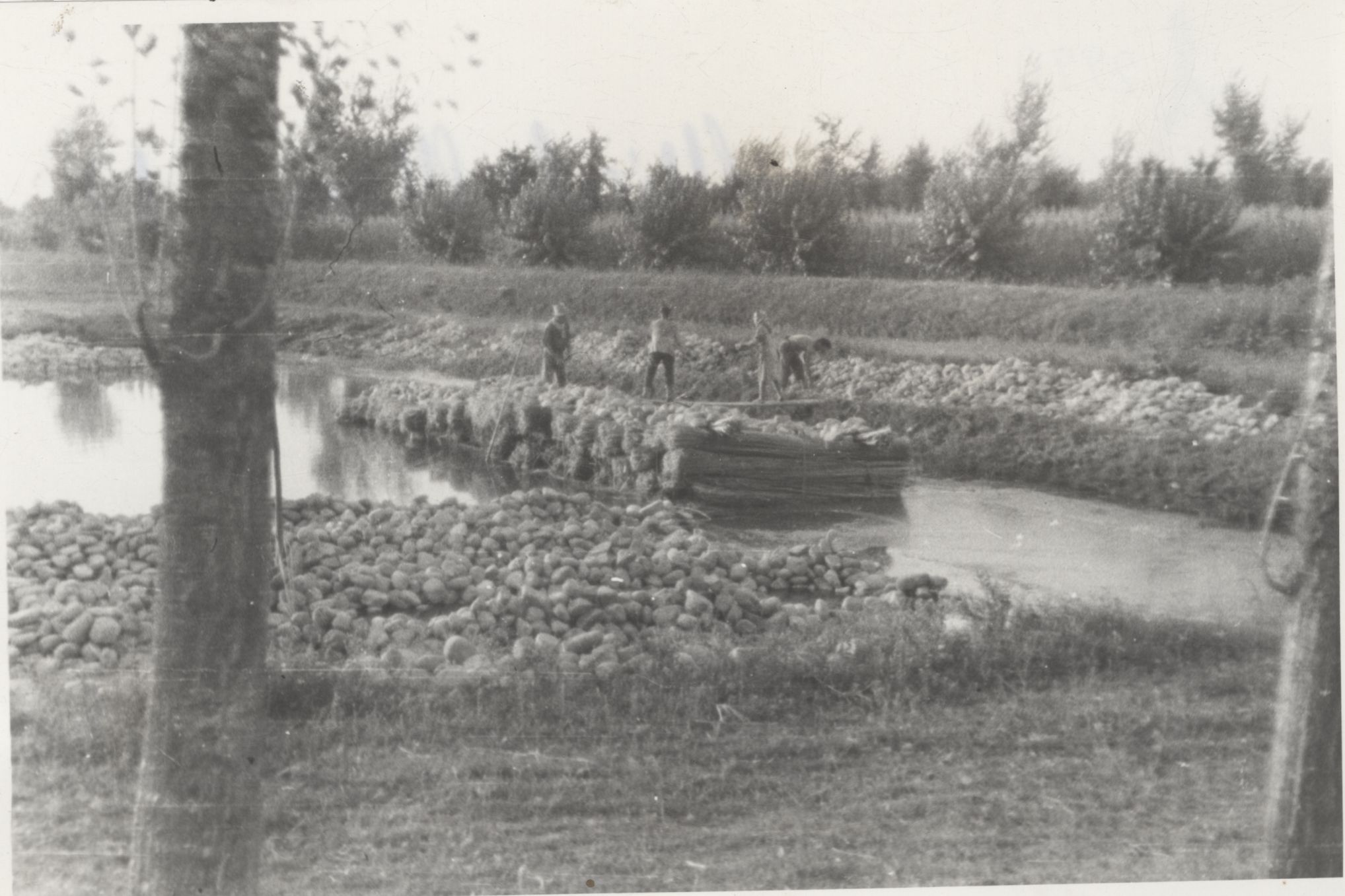
The method used to separate hemp fiber bundles creates a trade-off between fiber fineness and natural functions. Dew retting works with low energy but depends on climate conditions.21 Water retting, on the other hand, is being abandoned because of high wastewater pollution.22
In modern fiber engineering, pectinase and xylanase enzyme systems hydrolyze pectin and xylan chains in 5.5 hours without damaging the cellulose backbone (75% pectin and 40% hemicellulose removal).23 This biological process preserves fiber strength (>5.6 cN/dtex) while retaining bioactive lignin in the fiber, which maintains its antimicrobial and UV protection capacity.24
8. Biodegradability and Phytoremediation
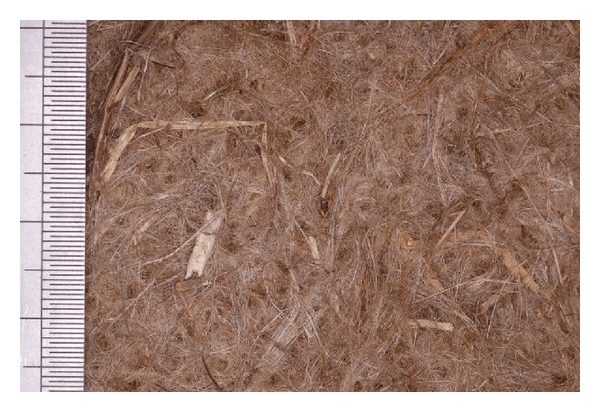
Unlike synthetic fibers, hemp textiles fully join the biological carbon cycle. In soil burial tests (ISO 11721), microbial cellulase, xylanase, and laccase enzymes break the fibers down quickly.25 In compost, hemp decomposes without residue, with 100% mass loss within 2 to 4 months. By balancing the carbon/nitrogen (C/N) ratio at about 11, it supports soil humification.26
At the farming stage, hemp roots remove heavy metals such as cadmium (Cd) and lead (Pb) from the soil.27 Even on heavily contaminated land, bast fibers exclude heavy metals (Cd < 0.59 mg/kg), so safe fiber can be obtained without risking user health.28
Notes
- P. Petit et al., "Physicochemical Properties of Hemp Fibers," Bioresource Tech. 340 (2021): 126.
- J. Mussig, "Biomechanical Properties of Bast Fibers," BioResources 11 (2016): 4850.
- N. Graupner and J. Mussig, "Technical Aspects of Hemp," Composites Part A 118 (2019): 102.
- K. Charlet et al., "Micro-Fibrillar Angle in Bast Fibers," J. Mater. Sci. 42 (2007): 154.
- H. Lilholt, "Comprehensive Composite Materials: Organic Fibres" (Oxford: Elsevier, 2000), 303.
- A. Bourmaud et al., "Microstructure of Industrial Hemp," Ind. Crops Prod. 112 (2018): 87.
- C. Baley, "Morphological Porosity Under Heat Transfer," Mater. Lett. 56 (2002): 779.
- M. Hughes, "Humidity on Tensile Behaviour of Hemp," Composites Part A 41 (2010): 1205.
- R. Vanholme et al., "Lignin Biosynthesis and Structure," Plant Physiol. 153 (2010): 895.
- S. Ralph et al., "Lignin Fractions in Industrial Hemp," Phytochemistry 68 (2007): 1120.
- E. Ceballos et al., "Bacteriostatic Action of Phenolic Compounds," Appl. Microbiol. 98 (2014): 4511.
- V. Radivojevic et al., "Bioactive Hemp Clothing with CBD," Materials 14 (2021): 6031.
- AS/NZS 4399:2020, "Sun Protective Clothing Evaluation" (Sidney: Standards Australia, 2020).
- Y. Lu et al., "Ultraviolet Protection of Hemp Fabrics," Textile Res. J. 88 (2018): 1823.
- H. Liu et al., "Review of UV Radiation and Bast Textiles," Cellulose 31 (2024): 211.
- M. Srebrenkoska et al., "Thermal Comfort Properties of Hemp," Polymers 17 (2025): 903.
- G. Gourlay, "Moisture Buffering of Plant Fibers," JTATM 12 (2022): 1.
- F. Collet et al., "Hygric Behaviour of Hemp-Starch Panels," BioResources 9 (2014): 6321.
- H. Rahim et al., "Hygrothermal Behavior of Hemp: Hysteresis," Build. Environ. 165 (2019): 106.
- D. Akin, "Microbial Communities in Hemp Retting," Ind. Crops Prod. 44 (2013): 323.
- M. Tahir et al., "Traditional vs Bio-Retting Processes," J. Cleaner Prod. 211 (2019): 1102.
- W. Zhou et al., "Alkaline Pectinase-Xylanase Degumming," Textile Res. J. 91 (2021): 2341.
- S. Pang et al., "Ionic Liquids for Hemp Degumming," ACS Sustainable Chem. 12 (2024): 1560.
- ISO 11721-1:2001, "Resistance of Cellulose to Micro-Organisms" (ISO, 2001).
- A. Kowalska et al., "Biodegradability of Natural Fibers," Agronomy 15 (2025): 2700.
- K. Smith, "Enzymatic Degradation in Soil Ecologies," Appl. Soil Ecol. 142 (2021): 88.
- P. Angelini et al., "Phytoremediation by Industrial Hemp," Agronomy 13 (2023): 995.
- M. Meers et al., "Hemp in a Phytoattenuation Strategy," Environ. Pollut. 298 (2022): 118.