Mycelium: The Network Beneath Our Feet
On the hidden body of fungi, mycorrhizal partnerships, and thinking of soil as a network.
The real body of a mushroom is the mycelium beneath the soil. The exchange between plant and fungus in mycorrhizal partnerships, the networks that bind forests together, where the stories told about this network go beyond what science has shown, and how a farmer can feed this network.
Every step you take in a forest is taken above a world far more crowded than what you can see. A single teaspoon of soil can hold threads so fine they run up to a hundred meters. These threads are the body of the fungus. The real body of a mushroom is this network spreading quietly beneath the soil; the cap that pushes up through the ground is only its fruit. The name of this network is mycelium.
The Hidden Body
Most people look for mushrooms in the wrong place. Just as an apple is to a tree, the cap is to the mycelium. The living organism lives beneath the soil, in a tissue woven from thousands of hyphae, threads only microns thick. These threads reach into the smallest soil pores that roots cannot reach. There, an invisible exchange begins.
This exchange is called mycorrhiza, a word that means “fungus-root.” The mycelium wraps around or enters a plant's root, and the two living things form a partnership. The plant gives the fungus a share of the sugar it makes through photosynthesis, by some measurements close to a third. In return, the fungus uses its wide network to carry phosphorus, nitrogen, and water from the soil to the plant. Where the root alone cannot reach, the fungus searches the ground on its behalf. It is an underground barter, and both sides come out ahead.
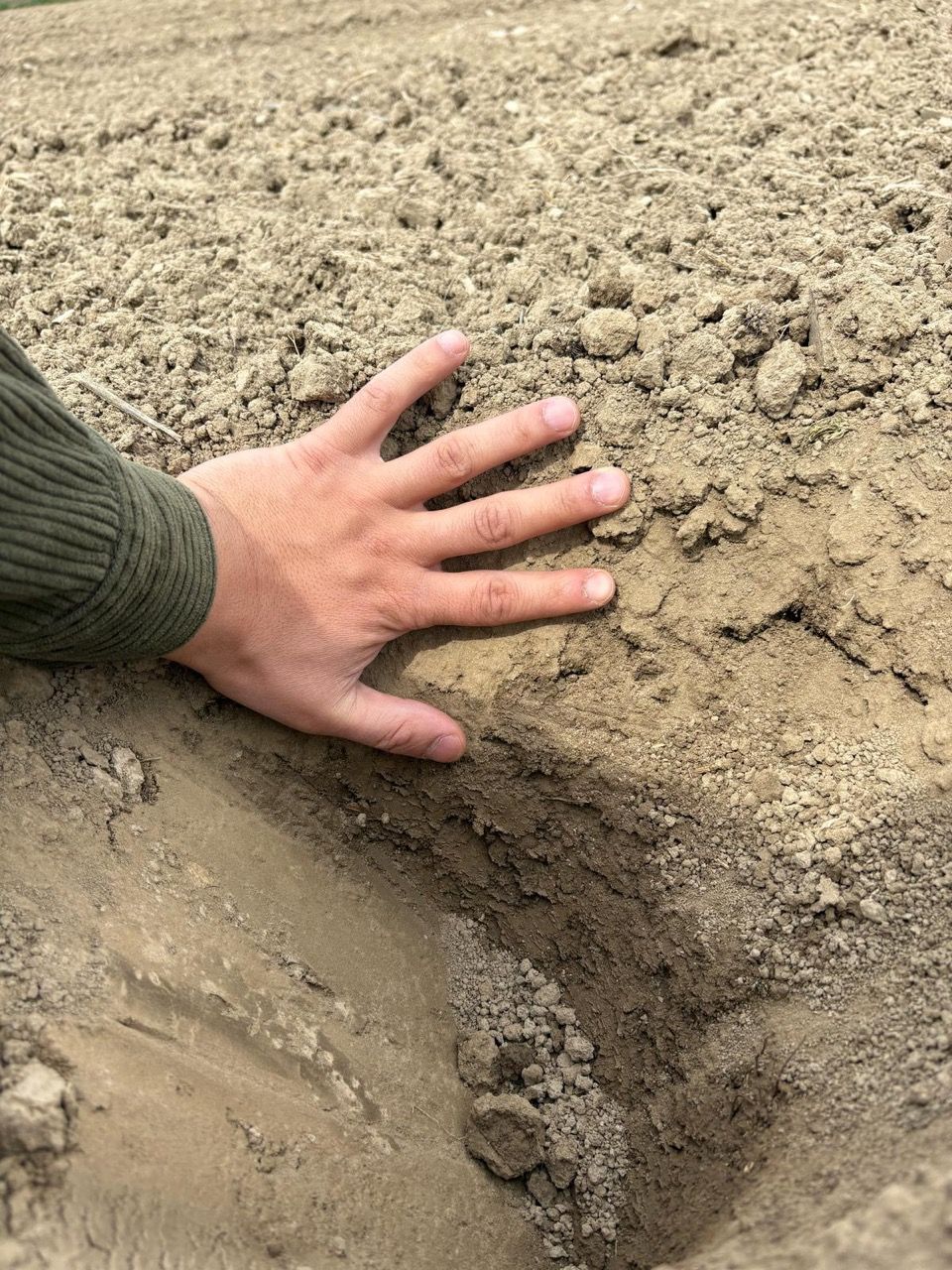
The Network That Ties the Forest
What is most surprising about this is its scale. A single fungal network can link dozens or even hundreds of trees at once, and trees of different species too. Seen this way, a forest looks less like a set of separate individuals and more like a whole woven together by one underground web. Scientists gave it a half-joking name: the wood wide web, which means “forest network.” One example is the mycelium of a honey fungus (Armillaria) spread across about 9.6 square kilometers in Oregon.
It is thought that along this network, information flows alongside nutrients. In some experiments, a plant that was attacked by a pest has been able to warn its connected neighbors with chemical signals, and the neighbors prepare their defenses in advance. What happens to one plant can reach the others through the network like a piece of news. Some describe it as the forest's language.
Between Story and Science
Here honesty is required, because this lovely story has at times gone further than what science shows. The popular account paints a picture of a forest where trees deliberately share, talk, and look out for one another. The reality is more complicated and more contested. Many researchers say that much of the nutrient flow through the network may simply be diffusion, that is, spreading on its own along a difference in concentration. In some cases, it is the fungus that directs the resources; it distributes them in a way that maximizes its own carbon needs. There is as much a calculation of advantage here as there is solidarity. Nature is often both cooperation and competition, and it is hard to separate the two.
Knowing this nuance makes the story more real. The essential point is that a forest is a far more connected place than we assume. Roots work like the nodes of a network, and that network directly shapes the health of the soil. Soils with a strong mycorrhizal network are more drought-tolerant, more resistant to erosion, and need less external fertilizer. Soils with weak networks, by contrast, tire quickly.
Feeding the Network
The good news is that the ways to feed this network are things a good farmer already knows: disturb the soil little, use cover crops, rotate crops, and apply phosphorus in measured amounts. Protecting the mycelium is the same as treating the soil gently. Nature's most advanced technology once again lines up with the oldest farming knowledge.
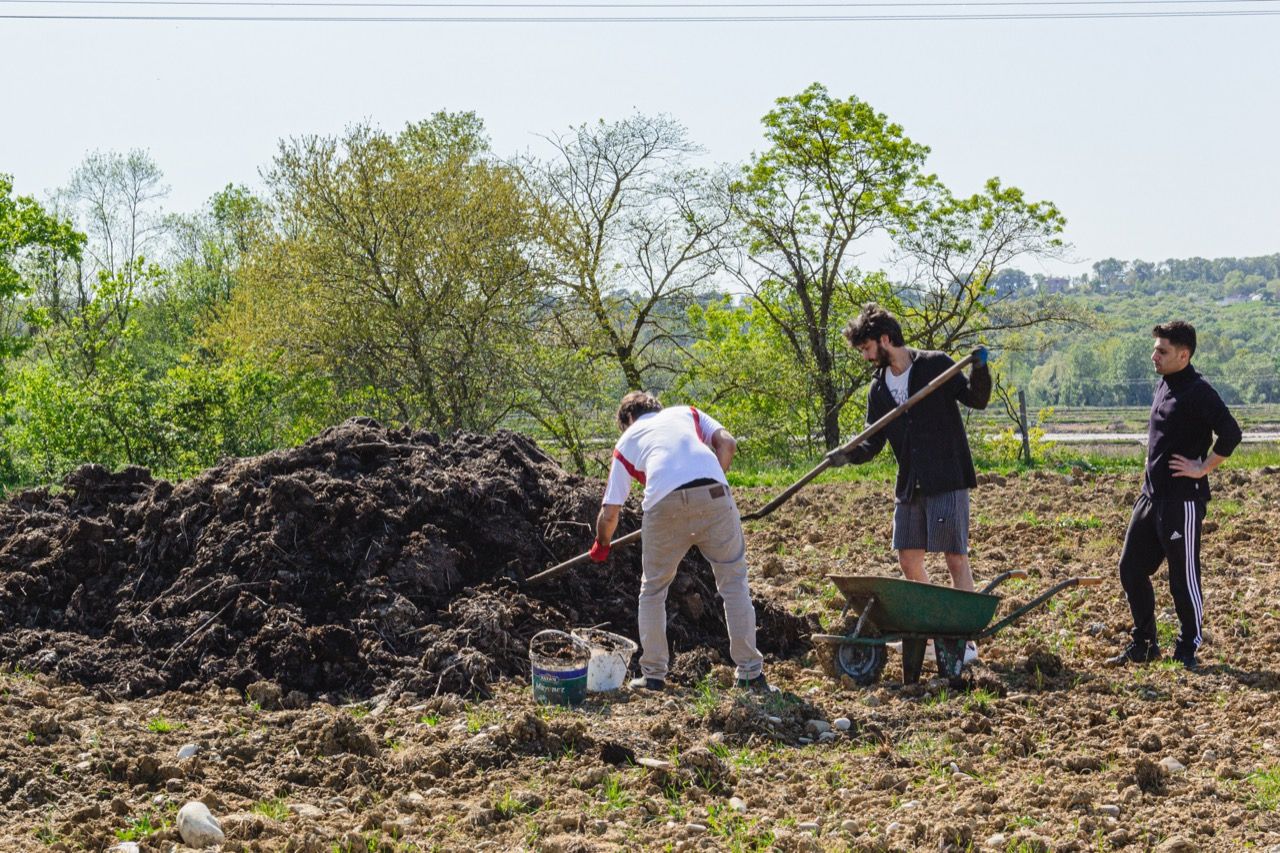
The first time I seriously thought about this network, I remembered my own journey. Following a single plant from village to village and valley to valley, connecting different people and different soils. What we had been doing was a kind of mycelium too: linking distant points with invisible threads, taking from one place and carrying to another. Perhaps this is the most basic form nature has taught us. Nothing stands alone; everything is connected like that quiet network beneath our feet. To see it, all you need is to bend down and listen to the soil.