Holding the Soil
One year plus one more year of lease contracts, the names of three provinces, a lakerda master in Sinop, and women's labor in the field.
Kastamonu, Sinop, Samsun · 2017-2022
The fields we leased in Kastamonu, Sinop, and Samsun: land held on paper and by hand, rent that rose in the second year, the several doors of licensing, keeping fair pay for field labor, and the feeling of being a tenant for a season.
This time we held a piece of paper in our hands: a lease contract.
In Turkish, the phrase "toprağı tutmak" has two meanings. One is legal: to lease land, to hold it as yours for a period. The other is physical: to bend down, crumble a handful of soil, and feel its moisture between your fingers. In those years we did both at once, in three provinces. First we held the soil on paper, then by hand.
Three provinces, three names
Our fields were scattered across Kastamonu, Sinop, and Samsun. The plots ranged from 19 to 72 dönüm. Some were small and experimental, others large and ambitious. Each province had its own soil, and each name carried a different history.
On the Kastamonu side, most of our work fell in Hanönü. The district takes its name from a historic inn where travelers on the caravan route once stayed. We were trying to grow the same plant again near a structure that witnessed the age when hemp traveled on the backs of caravans. Names hold secrets like that. We usually forget what they carry.
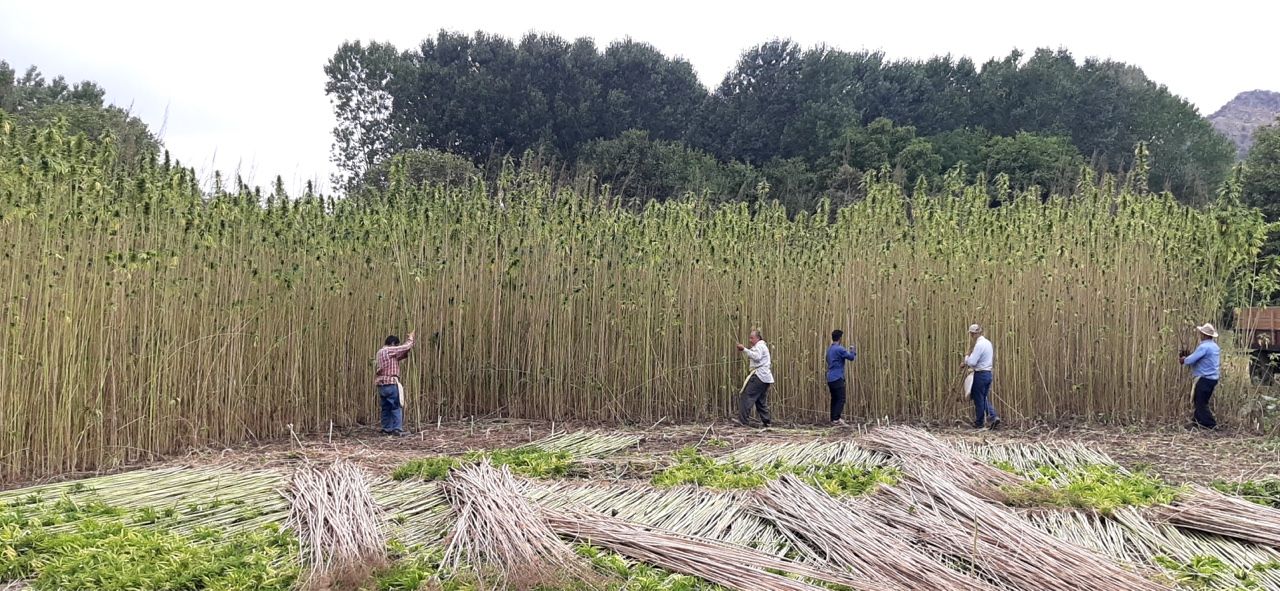
On the Samsun side, our route led to Vezirköprü and its village of Narlısaray. The story of Vezirköprü's name rests on a vizier. For a time the town was called only "Köprü" (Bridge). When it began to be named after Köprülü Mehmed Paşa, one of the strongest grand viziers of the Ottoman state, it became Vezirköprü. The land carries the name of a family that held the helm in the state's most turbulent years, but today it is better known for the seed it keeps. Viziers come and go; the land stays. An old Anatolian lesson.
In Sinop, a person met us as much as the land did: the landowner from whom we rented our field. He was an old friend of Özün's, and before long he became my older brother as well. There is a strange gift in this journey. In every province, you gain an older brother.
He is hard to describe in a few words. He is the champion of Sinop's famous lakerda competition, a title that carries real standing there. He is a devoted father and a committed nature lover. He also holds together things you would not expect: a man of his generation who knows Pink Floyd, can play it, and still spends his breaks at the billiard table.
I suspect this richness has an explanation. Compared with the other Black Sea provinces, Sinop opened to the world early. During the Cold War, a U.S. listening post stood on the hill above the city. On paper it was a logistics facility. Its real job was to listen to the far shore of the Black Sea. The base was named Diogenes Station, which makes people smile. Sinop is the birthplace of Diogenes, the cynic philosopher who went looking for an honest man with a lantern in hand. The most advanced listening equipment of the era was installed in the city of the oldest seeker of truth. When a door to the world opens early, other sounds rush in, and geography explains why that generation knew Pink Floyd. Border regions are always like this; the most unexpected things mix there.
Meeting him meant understanding Sinop as much as hemp. When you lease land, you sign papers and talk in dönüm. What you really learn, though, is often hidden in the margins of that paper, in a conversation with a lakerda master. We held Sinop's soil, and the firmest thing we held was that friendship.
One year, plus one more year
While moving among these names and friendships, we were also wrestling with paperwork. We always signed contracts with a one-year term plus the option to extend for another year. The reason was budget. We could not afford long contracts. We guaranteed one year and kept the second in reserve.
When the second year came, landowners began raising prices. The reason was simple and rested on a false assumption: they thought we were making a lot of money. Search for "cannabis" and you get a billion-dollar industry: glossy numbers and California news. Those numbers belong to a different world. Industrial hemp produces fiber and seed. It is patient, low-margin farm work. A search box does not show you the difference. Every second year, we bargained again across the same table with the same misunderstanding.
Permits and licensing were a craft of their own. Legal hemp cultivation does not end with putting seed in the ground. Before that come licenses, sowing declarations, and notifications to law enforcement, a whole pile of paperwork. Over time we learned that this work had several doors. Some years we applied in our own name, some years through a company, and some years through the landowner's application. We chose whichever faced the least resistance that year. In bureaucracy, practicality kept us standing. Even when the name on the form changed, the seed going into the soil was always the same.
Hands in the field
Most of the real knowledge in the field was held by women. The hands that hoed and harvested were mostly women's hands, and the part of the work that goes unseen but carries the weight rested on them. When we negotiated with them, we deliberately talked about higher pay. The pricing logic did not require it. Keeping the return on labor where it belonged was a stance of our own. Keeping a farm going means keeping the person who bends over that soil going too.
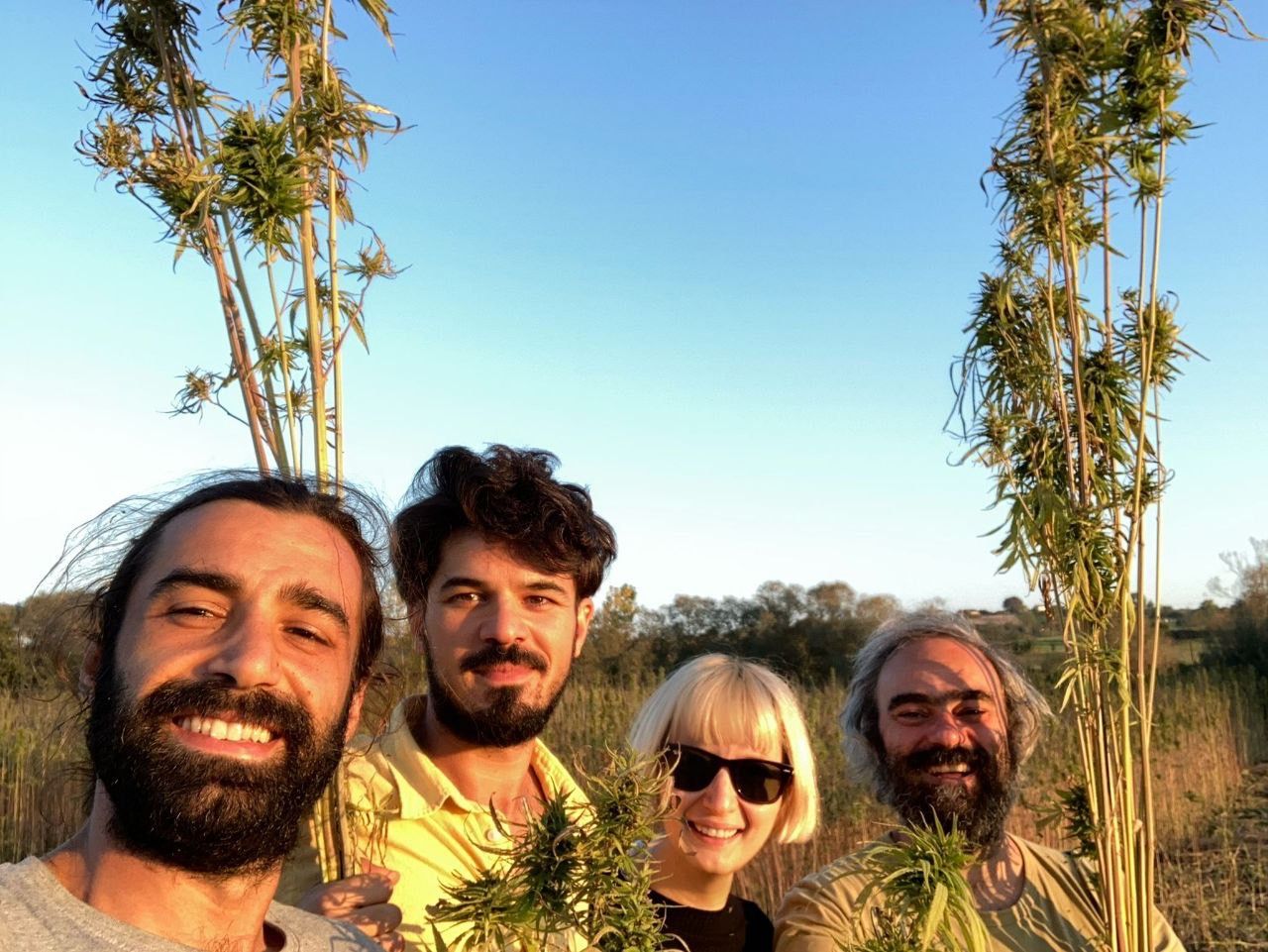
During this process, I felt again how strangely the word "legal" sits here. For a plant that has grown on these lands for thousands of years and become string and cloth, filling out a permit form was like applying for a license to let a river flow. The river was already flowing. The document only officially acknowledged that it flowed.
When we harvested the first crop from the soil we had leased, the feeling was different from what I expected. There was pride, yes, but underneath it was something quieter. I knew this soil was not ours. The contract was for a year, plus one. Others had been on this field before us, and others would come after. We were tenants for one season. The soil had no owner; everyone belongs to it.
The signing table talked about one year, at a price that rose every year. The soil's own contract was much older, and it was never signed. It passed from generation to generation. Like the travelers at the inn that gave Hanönü its name, like the vizier who gave his name to Vezirköprü, we too passed over this soil for a while. Our difference was that we knew it. Two contracts sat at separate tables. We signed both: one with ink, the other by pressing our palms into the soil.