Hands That Knew the Soil Before Us
A forty-year calendar, the April 20 kerteriz, a saz in the village meeting room, and the way a stalk becomes twine.
Samsun villages · 2017
In Samsun, we put the heirloom seed we had found into the hands of the farmers who had grown it for generations. A sowing calendar drawn from forty years of observation, a kerteriz set by the moon and the rain, and the way a hemp stalk becomes twine.
Finding the seed was one story. Planting it was an entirely different one.
We went back to Samsun to put those seeds into the ground. The farmers, the village room, and the tea were all the same. This time there was one question on the table: in whose hands would this seed open? The answer was clear from the start: in theirs.
Three of us stood at the head of the field: two young people and a farmer already past sixty. The generational gap was visible at first glance. We had learned hemp from books and courses; the farmer knew it through their hands. Knowing something through your hands is a different thing. You can read the sowing depth, the spacing between rows, and the harvest timing on paper once and forget them. This knowledge could not be forgotten. It had built up over forty years of living it.
A forty-year calendar
When it came time to sow, the farmer put a calendar in front of us. Sowing, hoeing, irrigation, and harvest each had their own time, and those times came from forty years of observation. The climate data I had and their calendar matched in most places. Where they did not, I took notes, and they smiled. In the end, the one who turned out to be right was usually the one who had been smiling.
Still, we needed a kerteriz, a fixed point where the data and the season would meet. We chose April 20 for this. We did not treat that day as a rule nailed to the calendar. We treated it as a starting signal and left the real decision to the season. That is what the farmer taught: the sky tells you when to sow.
We followed the lunar calendar and tracked the rain. The phase of the moon speaks to the moisture of the soil and to the seed's urge to wake. Knowing when the rain would come mattered more than knowing which day to plant. Modern farming has forgotten this, but the farmer had not. We laid two calendars on top of each other: one with numbers, the other with moon and clouds. Sowing happened where the two overlapped.
Saz at the evening table
Meanwhile, Özün kept working in a different language. While I talked about yield and method, Özün would sing a deyiş and open a muhabbet. After a day in the field, a saz would appear at the evening table. A farmer will not hand you their most valuable knowledge after looking at your yield table. But after you sing a türkü together, they will share what they know the next morning without being asked.
I wanted to build a scalable economy, and explaining that to them was the hardest part of the job. For them, hemp was a livelihood and a trade they already knew. For me, it was a systems question. When I said, "We need to grow this and make it last," the look on their faces was neither objection nor agreement. It was closer to the weariness of a promise heard too many times. Many promises have come to these lands, and few were kept.
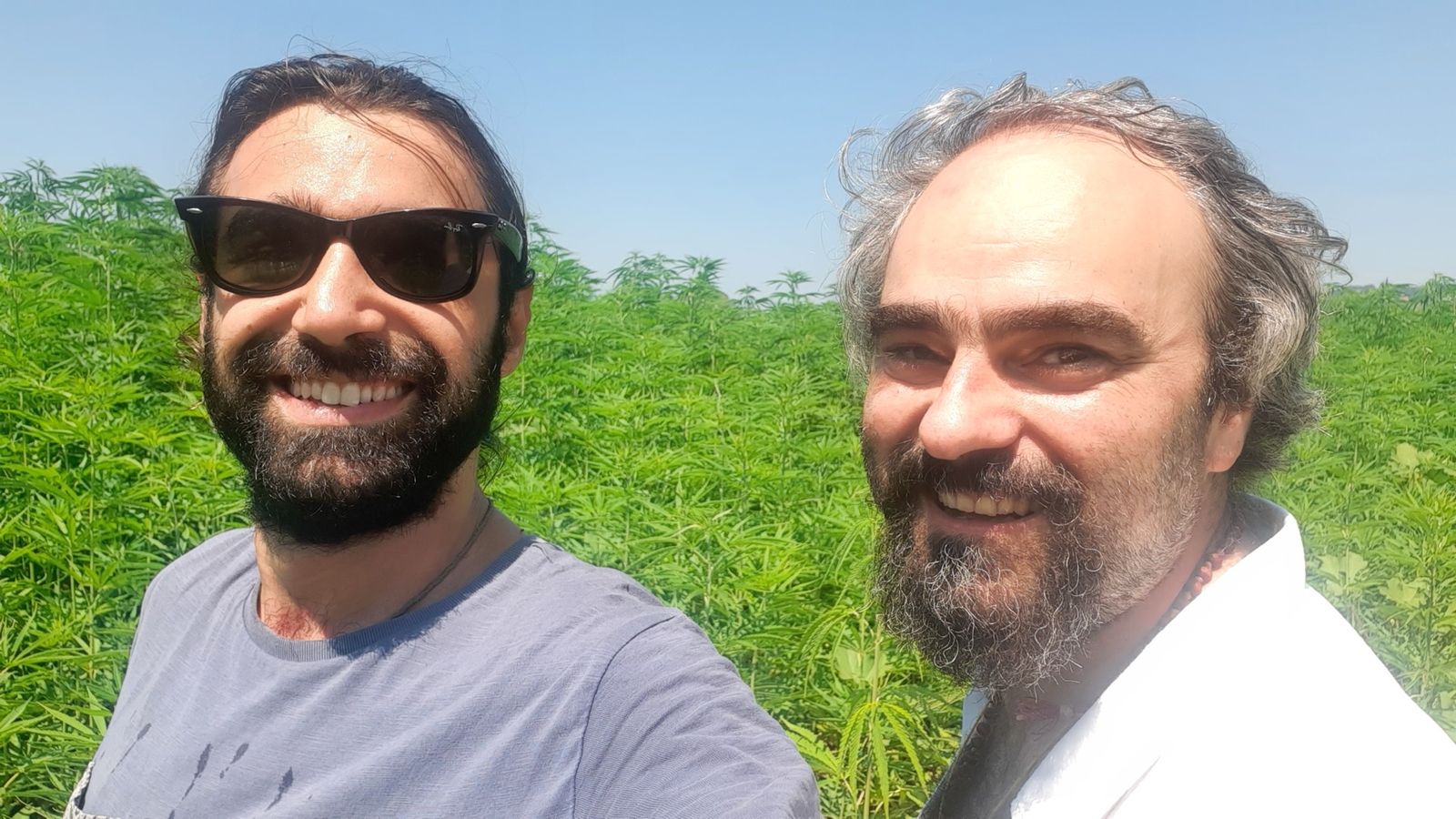
Once the seed goes into the soil, the work leaves our hands. However much data you collect, moisture, temperature, and the plant's own decisions are what open the seed. I learned that that year. For an agronomist, it was a humbling lesson: the preparation is all yours, and the outcome belongs entirely to the soil.
On the way out, the farmer took a handful of soil, crumbled it between their fingers, and let it fall. They said nothing. They did not need to. That gesture summed up every calendar. The soil was in their hand, its measure was in their palm, and that measure does not fit in any device.
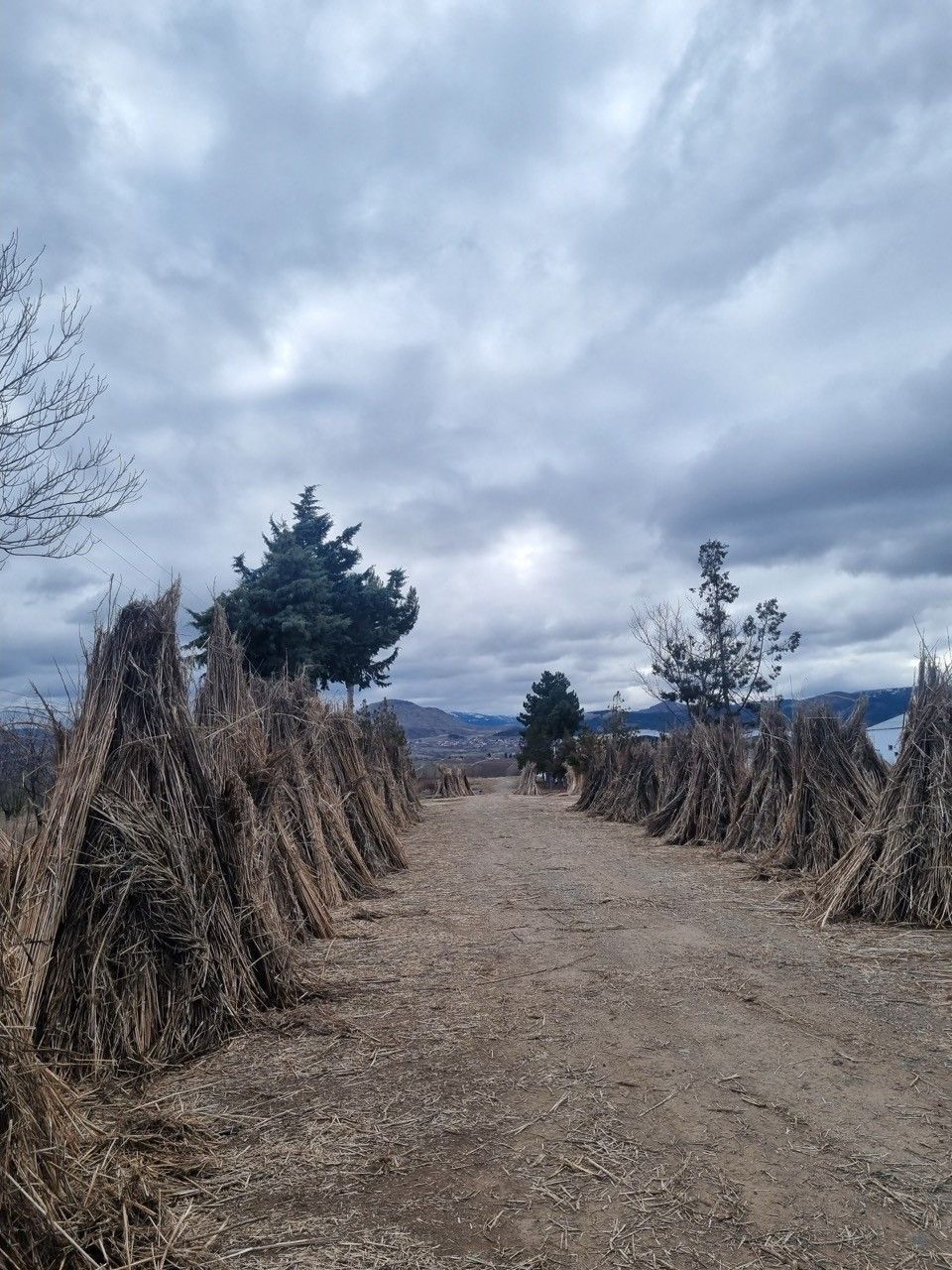
We had a few certificates and a stack of reading. They had a pair of muddy hands. The result was clear from the beginning, and accepting it took us some time. Seed that goes beneath the soil asks who has come, and it remembers whoever came.