Tracing Landrace Seed
A partnership formed with a tea house keeper, a fifteen-hour bus journey, and seed kept in chests in Narlısaray.
İstanbul, then Samsun · 2017
The first stop on our hemp journey: a partnership formed with a tea house keeper in Istanbul, a fifteen-hour bus ride to Samsun, and heirloom hemp seed kept for generations in wooden chests in Narlısaray.
Partnerships are usually imagined as being formed in meeting rooms, at signing tables. Ours was formed in a tea house. It sat in one of Istanbul's upscale neighborhoods, squeezed between glossy shopfronts and cafés without price tags, a place where tea in thin-waisted glasses still costs only a few lira.
I met Özün there. The meeting was short. We talked about what each of us was doing and what we had in mind. I talked about soil, seed, and the forgotten knowledge of hemp in this country. Özün talked about their work as an ozan, the traveling bard, the places they had been, and how they found their way into people's hearts. We seemed to be speaking of two different kinds of work, but it did not take long to see that the two intentions on the table pointed in the same direction.
We became partners at the end of that tea. There was no contract and no witness. A look that made it clear we would set out together was enough. Today we both do very different work, but we are still partners. Our partnership was a partnership for a journey, and in that sense we are travel companions. Companionship does not end when the work does.
What we were looking for had neither a name nor a certificate. It was just a few seeds, found at the bottom of cloth bags or in an uncle's palm. Small, grayish-brown grains that promised nothing on the surface. To see them, we first had to sit on a bus for fifteen hours.
We did not have a car. In those years, getting from one city to another meant sinking into a seat and watching Anatolia roll past the window: fields, bridges, the gas stations where we stopped, the steam rising from tea. Fifteen hours. Traveling that far to find a plant's seed may look strange from the outside. We did not fully understand it yet, but what we were chasing was a memory.
Everything started with a book
When we got our hands on İsmail Tokalak's Dünya'da Gıda Terörü, something we had carried as a hunch for a long time finally found its name: there is a quieter and more certain way to steer a society than with weapons or schooling, and that is seed. Whoever decides what gets sown, and what multiplies or disappears, holds the strongest hand in the long run. When we read it, a small awakening spread through our circle. The question of who held our own seeds could no longer be put off.
After the book came a name: İsmail Bey. Through him, Samsun came into view.
The people we were looking for were there: farmers who had grown hemp for generations and knew both how to sow it and how to process it. They were among the last links still carrying that knowledge in Turkey. Decades of bans and restrictions had erased not only the plant's genetics but also its knowledge. Fields had emptied, and seed had been pulled into tin cans. What remained was a handful of people, like the last copies of a library. Not burned, but with no one left to read them.
This was our first journey with Özün. Özün is one of the rare ozans of Turkey. Everywhere we went, they sang deyiş and played the saz. Often it was Özün's voice, not my questions, that opened the doors. You cannot walk into a village room and start talking about hemp right away. First you need a türkü, a muhabbet over tea. Özün knew this. We won over the hearts of the people we met, and those hearts opened the road to hemp. In Anatolia, knowledge is given only after trust, and trust passes through a deyiş and a shared tea.
The chests of Narlısaray
The clearest example of this in the region we toured was right beside us. In Narlısaray, a village in the Vezirköprü district of Samsun, villagers had kept seed inherited from their forefathers for generations. They stored it in wooden chests, cool and dark, through the years when sowing had stopped. A seed line about one hundred fifty years old came down through a family's chest without ever going near a laboratory, and it reached the present day that way. When these seeds returned to the soil, the plants grew four and a half to five meters tall, and without any intervention their THC content stayed below the legal limit.
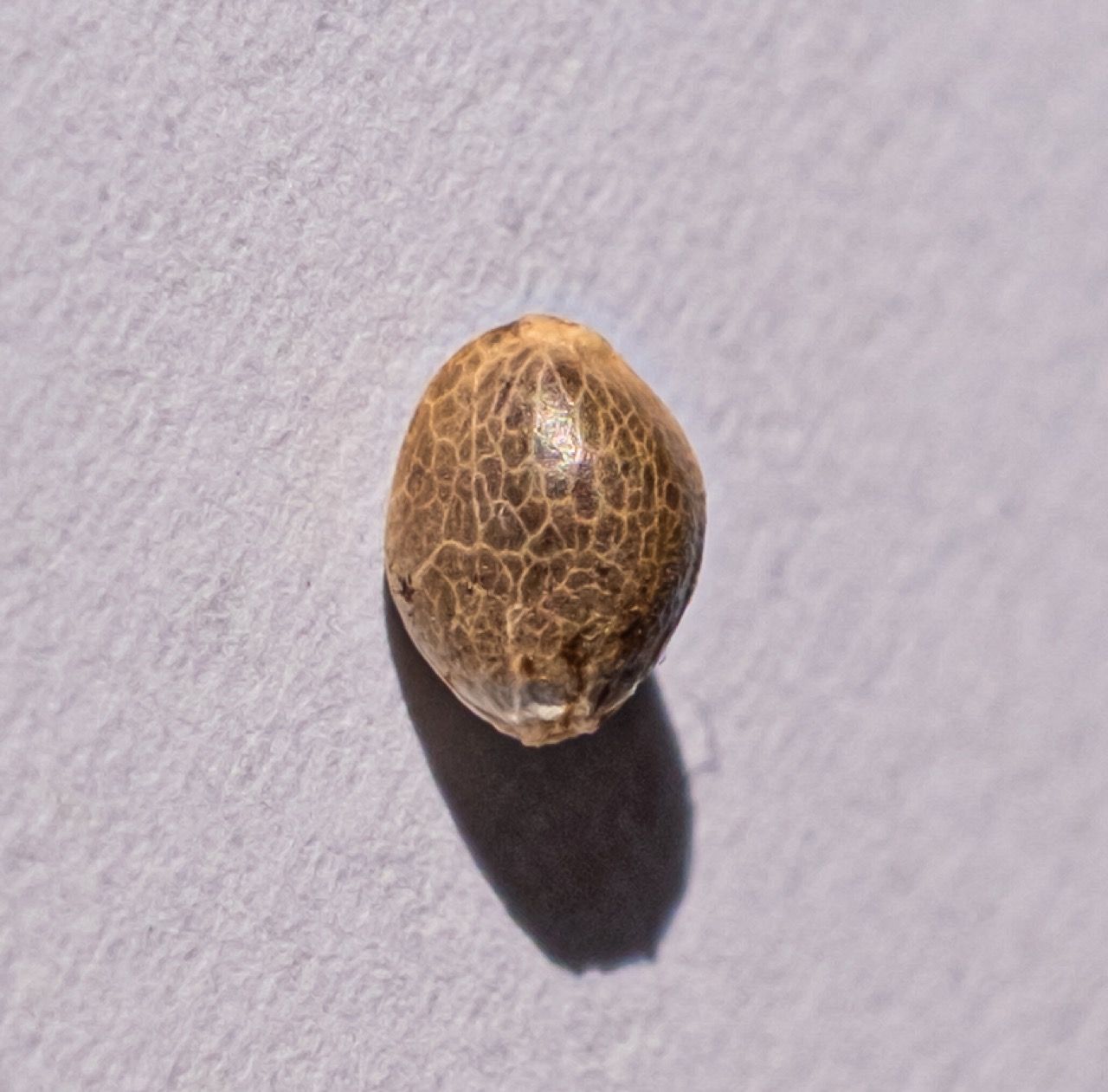
Then came what was expected. Once the state began supporting production, demand exploded. Heirloom seed that had sold for thirty lira a kilo climbed to a thousand lira. Investors from nineteen provinces showed up at the village gate. The villagers, however, refused to sell their seed at high prices. They wanted to multiply it in their own fields and keep it in the region. They turned down quick profit and protected the seed. Later, domestic hemp varieties were developed from these lines: Narlı, fine and tall for textile use, and Vezir, rich in seed for food.
This was exactly what we were looking for: seed waiting in a chest, carrying the memory of a place. Our intention was to bend down to that soil and stay beside the seed.
Questions at the wrong speed
The first thing I learned when I sat down with them was that my questions were moving at the wrong speed. I wanted to measure things and tie them to an economy that could sustain itself. Keeping a plant alive was not enough. We needed a structure that would keep it standing and provide livelihoods for people. My questions always came back to the same place: how do we raise yields, and how do we scale them up?
Anatolian knowledge does not open up to those questions right away. It is deep, but cautious. The legacy of the ban has built a wall of distrust, and there is a quiet distance toward outsiders and toward anyone who says "I'll develop it." They have their reasons. Perhaps what carried this knowledge to the present was precisely that it was not handed out easily. I came with spreadsheets; they came with patience. Two languages sat at either end of the table.
In the end we arrived at the oldest, simplest agreement. We found the seed, paid the people, and asked them to grow it for us. That is how our journey started, with the hands that knew the soil before ours. For me, that was the right order: the one who knows the soil plants, and those who come later observe, learn, and save their questions for later.
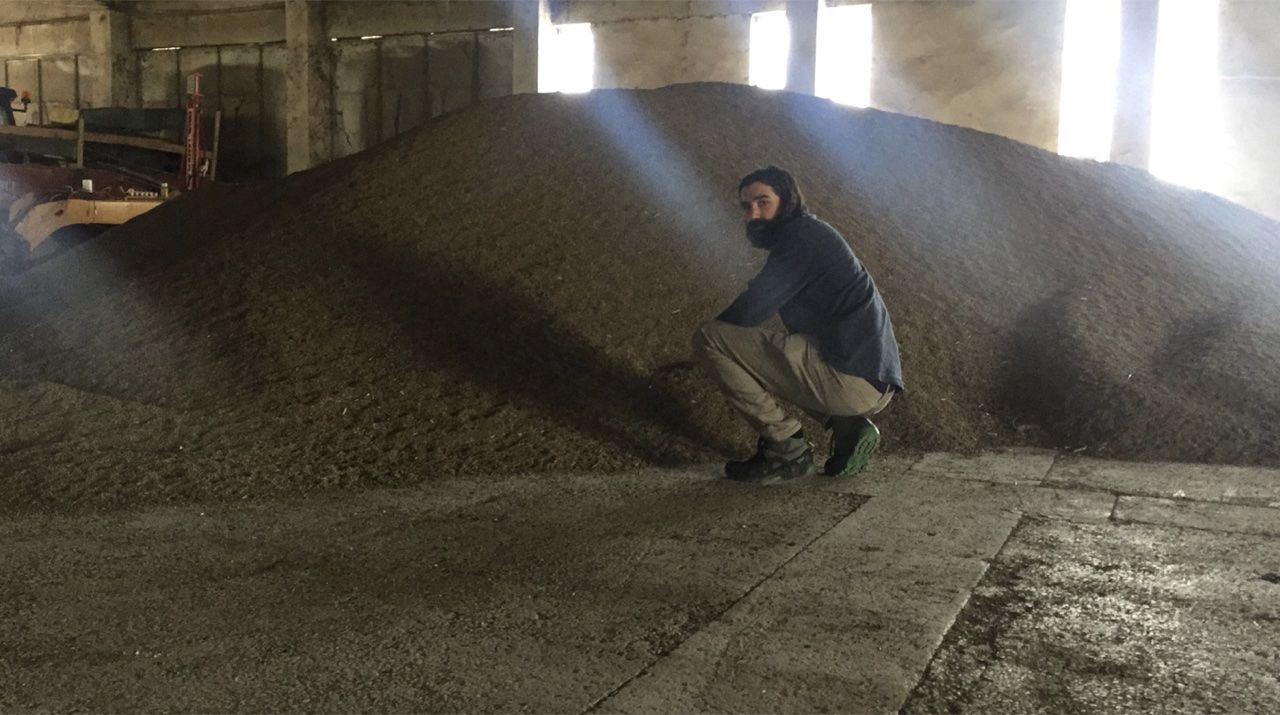
No one can say in advance how many seeds will wake once they are planted. Seed knows how to wait. It can sit in a box in the dark for years, and when the right moisture and temperature arrive, it opens as if it had never stopped. In that waiting, the traces of every hand and every winter that brought this seed to us are kept. Every sprout that wakes is, in a way, a remembering.
When we returned from Samsun, we had a few seeds with no patent, seeds no company could claim. Legally, they were practically nonexistent. For thousands of years they had been exactly that. The only difference this time was that someone found them worth writing down, thanks to a fifteen-hour bus ride and a bard's deyiş.